
Boulevard Text Campaigns
If you'd like to learn more, please get in touch.
Context
Boulevard is a platform for salons and spas. They had email campaigns, but no way to send marketing texts — even though salon owners were already messaging clients through their phone and had their numbers. Text was the highest-performing re-engagement channel they weren't using. The product only supported automated appointment reminders. I shipped Campaigns to close that gap — then kept going to figure out what an AI-first version of this could look like.
The shipped product
A campaign builder with audience presets, a live phone preview, and a results view that tied revenue back to each send. The goal was simple: a front desk manager with no marketing background should be able to run a well-targeted campaign in a few minutes. It was the top voted feature request from customers, the top reason for lost sales, and a top-3 churn driver. Shipping it eliminated all three.
Design system
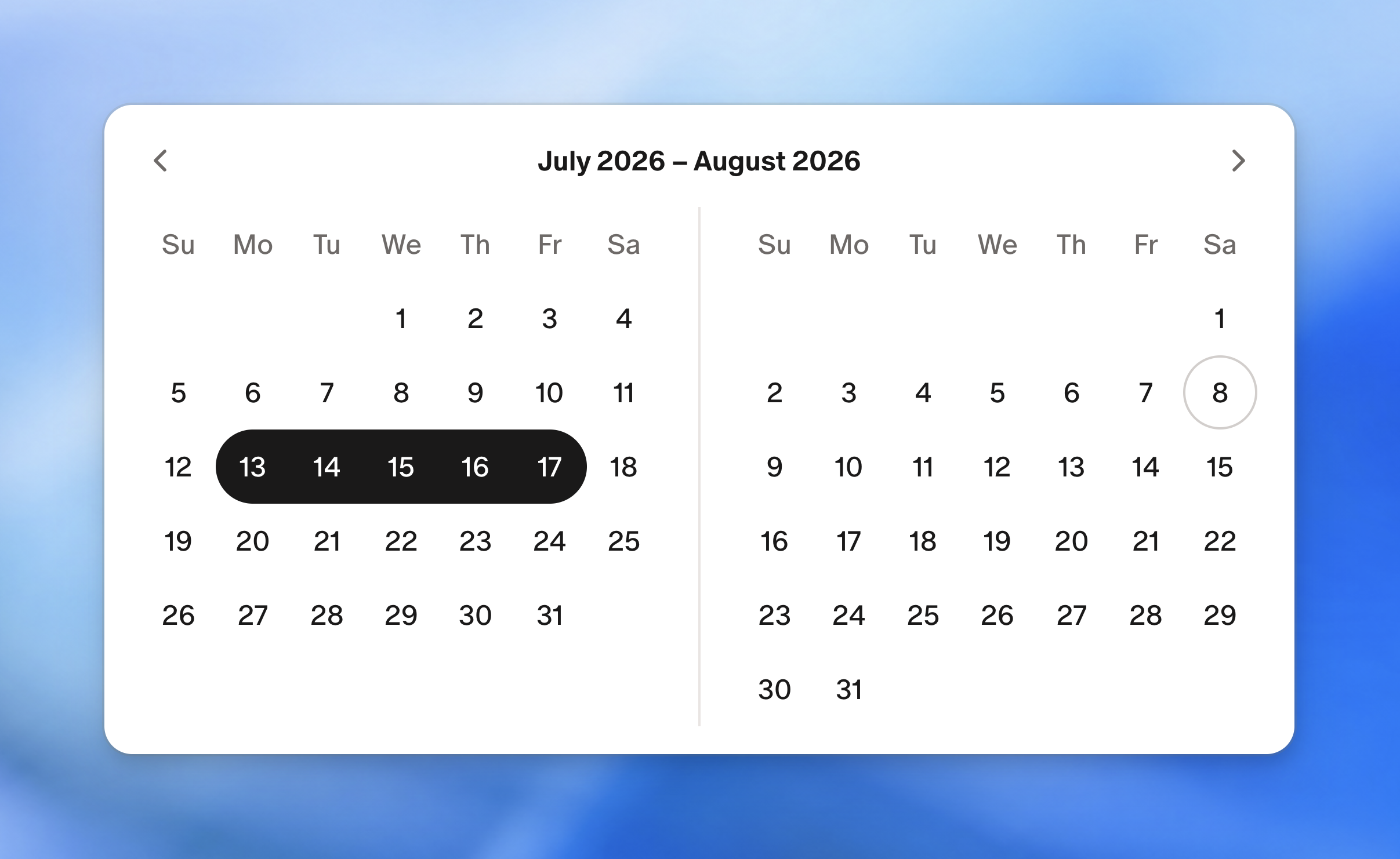
As I went, I pulled anything reusable into shared components — date pickers, filter chips, message previews — and contributed them back to the design system. The date range picker here didn't exist before this project. Building it once and doing it right meant every team that needed it afterward didn't have to figure it out themselves.
The vision: AI-first marketing
After shipping, I started mapping out where this goes next. The builder was a good start, but it still assumed the owner knew what to say, who to target, and when to send. Most of them didn't. That's the actual problem.
Stage 1 — Write it for me
Watching session recordings, we noticed a consistent pattern: owners would open the composer, pause, and either abandon it or spend several minutes reworking the message before sending. The blank field required them to be a copywriter on top of everything else. When we introduced an AI-assisted draft — seeded from services, pricing, and any active promotions already in Boulevard — owners got through the message in one pass and moved on. The model drafts, they adjust a word or two, done.
Stage 2 — Just tell me what you want
Collapse the whole builder into a chat. "Send something to clients who haven't been in since the holidays — 15% off a blowout." The model builds the audience, drafts the message, proposes a time, and asks you to confirm. The interface performs the actions with you — not for you. At every step you can jump in, adjust the audience, reword the message, or shift the send time. The owner stays in control; the model just does the heavy lifting.
What you're seeing in that last video is the campaign being constructed in real time — audience filters populating, the message drafting itself, a send time appearing. Each step surfaces as it's decided, so you can see the reasoning and course-correct before anything goes out. It doesn't hand you a finished result and ask for a thumbs up. It works through it with you.